 AdedejiOfAkure
Your immune system is your body’s natural defense system. It works continuously to protect you from harmful bacteria, viruses, and other threats that can affect your health. While no single food can guarantee that you will never get sick, eating a balanced and nutritious diet can provide your body with the vitamins, minerals, antioxidants, and other nutrients it needs to function properly.
The good news is that many immune-supporting foods are natural, affordable, and easy to include in everyday meals. By making healthier food choices consistently, you can support your immune system and improve your overall well-being.
Why Nutrition Matters for Your Immune System
Your immune system depends on several organs, cells, proteins, and chemical processes working together. To perform these functions effectively, your body needs adequate nutrition.
Poor nutrition can weaken the body’s defenses, while a diet rich in whole foods can provide essential nutrients that support immune function.
A healthy diet should include a variety of:
- Fruits
- Vegetables
- Whole grains
- Beans and legumes
- Nuts and seeds
- Lean proteins
- Healthy fats
The goal is not to search for one “miracle food.” Instead, the most effective approach is to build a balanced eating pattern that provides your body with a wide range of nutrients.
1. Citrus Fruits
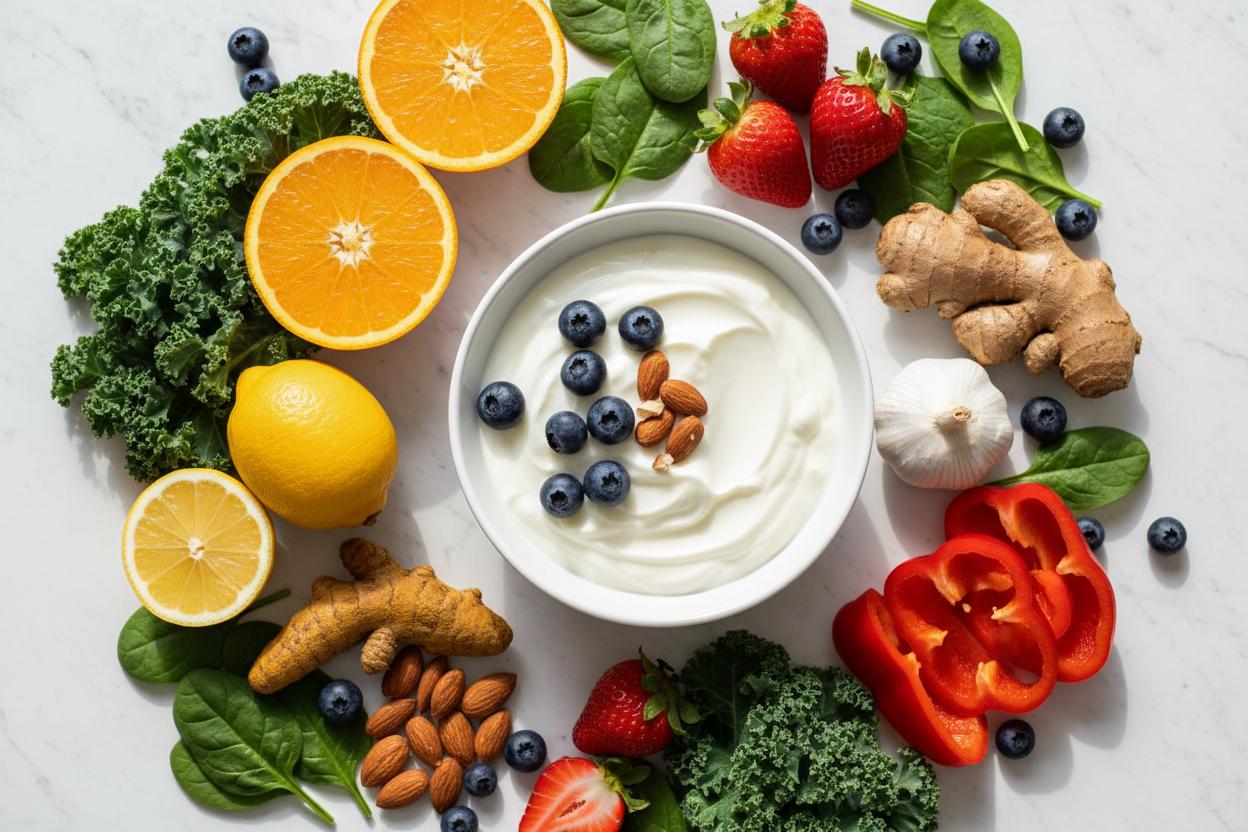
Citrus fruits are among the most popular foods associated with immune health. Oranges, lemons, limes, grapefruits, and tangerines are excellent sources of vitamin C.
Vitamin C contributes to the normal functioning of the immune system and also acts as an antioxidant that helps protect cells from oxidative stress.
You can enjoy citrus fruits by:
- Eating an orange as a snack
- Adding lemon to water
- Including grapefruit in breakfast
- Using lime in salads and healthy meals
Eating whole fruit is generally preferable to relying heavily on sugary fruit juices.
2. Leafy Green Vegetables
Vegetables such as spinach, kale, ugu, lettuce, and other dark leafy greens are packed with valuable nutrients.
They provide vitamins, minerals, fiber, and antioxidants that support overall health. A diet rich in vegetables may also help reduce inflammation and support healthy body functions.
Try adding leafy greens to:
- Soups
- Smoothies
- Salads
- Stir-fries
- Rice and vegetable dishes
The more variety of vegetables you include in your meals, the wider the range of nutrients your body receives.
3. Garlic
Garlic has been used for centuries in traditional food and wellness practices. It contains compounds that may support the body’s natural defense mechanisms.
Garlic is also an excellent way to add flavor to meals without relying heavily on excess salt or unhealthy sauces.
You can add garlic to:
- Soups
- Stews
- Sauces
- Roasted vegetables
- Meat and fish dishes
Fresh garlic is a simple ingredient that can make healthy meals more flavorful and enjoyable.
4. Ginger
Ginger is another popular food used in traditional wellness practices. It contains natural compounds with antioxidant and anti-inflammatory properties.
Many people enjoy ginger in tea, smoothies, soups, or meals.
A warm cup of ginger tea can be a comforting addition to your daily routine, especially during cold weather. However, ginger should be viewed as part of a balanced diet rather than a replacement for medical treatment.
5. Yogurt and Other Probiotic Foods
Your gut plays an important role in overall health. Probiotic foods contain beneficial bacteria that may help support a healthy gut environment.
Examples include:
- Plain yogurt with live cultures
- Kefir
- Some fermented foods
When choosing yogurt, check the nutrition label and consider options that are lower in added sugar.
You can combine plain yogurt with fruit, oats, or nuts for a nutritious breakfast or snack.
6. Nuts and Seeds

Nuts and seeds are nutrient-dense foods that provide healthy fats, protein, fiber, and important minerals.
Examples include:
- Almonds
- Groundnuts
- Cashews
- Pumpkin seeds
- Sunflower seeds
- Chia seeds
Because nuts and seeds can be high in calories, portion sizes are important. A small handful can be a satisfying and nutritious snack.
7. Berries and Colorful Fruits
Berries such as strawberries, blueberries, and blackberries are rich in antioxidants and other beneficial plant compounds.
Other colorful fruits also provide important nutrients. A simple rule for healthy eating is to include a variety of colors on your plate.
Different colors often represent different plant compounds and nutrients. Try adding fruits to:
- Breakfast
- Smoothies
- Salads
- Oatmeal
- Healthy snacks
8. Fish and Lean Protein
Protein is essential for maintaining muscles and supporting many important processes in the body.
Fish, eggs, chicken, beans, lentils, and other protein-rich foods can contribute to a balanced diet.
Fatty fish such as salmon and sardines also contain omega-3 fatty acids, which are important for overall health.
If you do not eat fish, plant-based sources such as beans, lentils, nuts, and seeds can also provide valuable nutrients.
9. Sweet Potatoes and Other Nutrient-Rich Foods
Sweet potatoes are an excellent source of beta-carotene, which the body can convert into vitamin A. Vitamin A plays an important role in maintaining healthy body tissues and supporting immune function.
Other colorful vegetables, including carrots, pumpkin, and bell peppers, can also contribute valuable nutrients to your diet.
These foods are versatile and can be baked, boiled, steamed, or added to soups and stews.
10. Water: The Forgotten Essential
Although water is not technically a food, proper hydration is essential for overall health.
Your body needs water to support circulation, digestion, temperature regulation, and many other important functions.
Try to drink water regularly throughout the day. Your hydration needs may vary depending on factors such as activity level, weather, age, and overall health.
Foods and Habits to Limit
Supporting your immune system is not only about what you add to your diet. It is also important to limit excessive consumption of:
- Highly processed foods
- Excess added sugar
- Excessive alcohol
- Foods high in unhealthy fats
- Sugary drinks
You do not need to completely eliminate every treat from your diet. The key is balance and moderation.
The Importance of a Balanced Lifestyle
Food is only one part of a healthy immune-supporting lifestyle. You should also prioritize:
- Quality sleep
- Regular physical activity
- Stress management
- Good hygiene
- Adequate hydration
- Regular medical care when necessary
These habits work together to support your overall health.
Final Thoughts
A strong immune system begins with a healthy lifestyle, and nutritious food is an important part of that foundation. Fruits, vegetables, whole grains, lean proteins, nuts, seeds, and fermented foods can provide your body with important nutrients needed for overall well-being.
Rather than searching for a single superfood, focus on variety, balance, and consistency. Build meals that include different colors, natural ingredients, and a range of essential nutrients.
Small daily food choices can make a meaningful difference over time. By nourishing your body with wholesome foods and combining good nutrition with adequate sleep, regular movement, and stress management, you can take important steps toward a healthier and more energetic life.
For more health and wellness tips, insights, and helpful resources, visit adedejiofakure.com.


 Taiwo Olawuyi





 AdedejiOfAkure


 Nior
Nior