 williams
Blackjack When to Split: A Cashier-First Read for Aussie Players
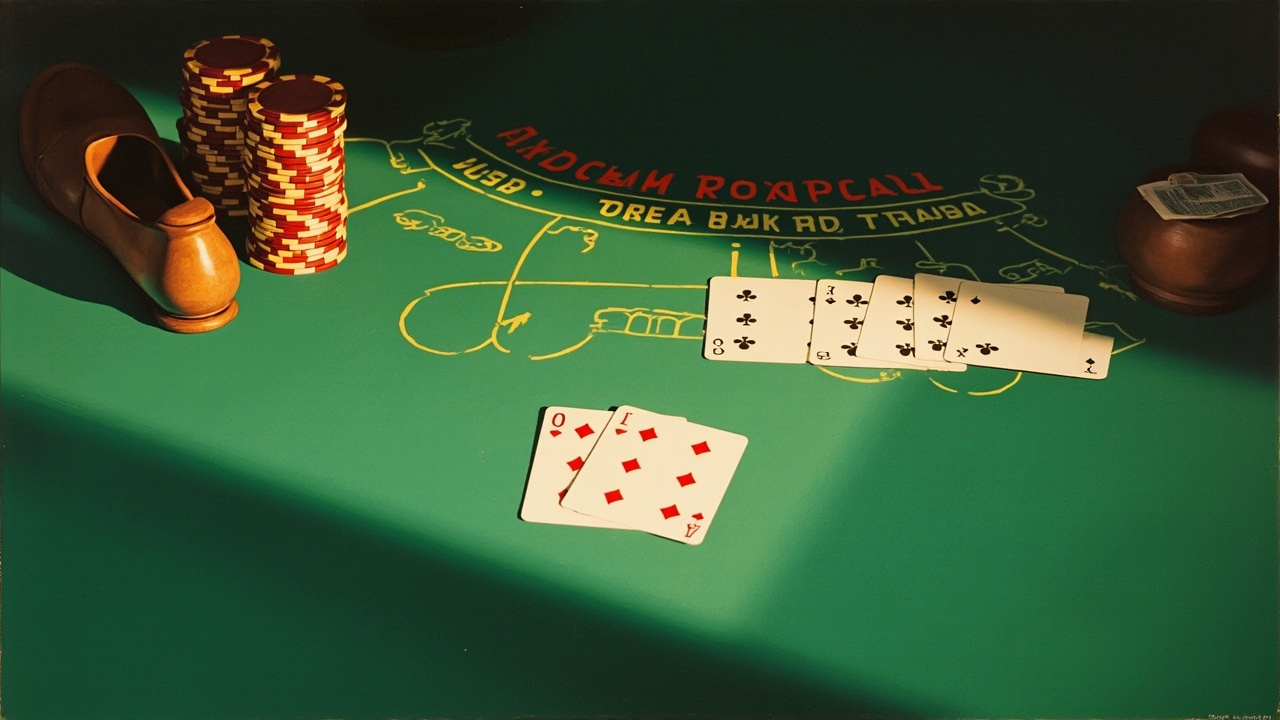
I was sitting in a Northbridge cafe last Tuesday when the conversation turned, as it always does, to table decisions and how quickly a session can turn. A mate who used to run a small regional club’s floor operations told me the split decision is where most players quietly bleed their bankroll. He wasn’t talking about card values alone; he was talking about pace, table limits, and whether the cashier behind the felt could actually keep up with the action. That’s the lens we’re using here. Blackjack when to split isn’t just a card-strategy question. It’s a timing and money-management question, and the way a venue handles deposits, withdrawals, and verification shapes whether a split actually makes sense or just burns through a balance.
When the conversation drifts to payment flow, the same operator pointed out that a split decision only matters if the cashier can settle the win before the next shoe shuffles. He reckons most players overcomplicate the card side and ignore the money side entirely. If you’re comparing timing against notes on Perth gambling forums, where slow transfers get flagged fast, you start to see why a clean cashier beats a fancy bonus structure every time. The real test is whether a withdrawal lands in your account before the next arvo session, not whether the welcome offer sounds generous on paper. A venue that asks for full verification before the first payout, then takes three business days to move the money, turns a simple split into a waiting game. That’s where the review focus sits: deposits, withdrawals, cashier flow, and whether the limits actually match how you play.
The split decision itself has a clear rhythm, but it only works when the table limits and the cashier limits line up. Basic strategy says split pairs of eights against a dealer two through seven, split aces, and split twos, threes, and sevens in the right spots. The operator I spoke to kept coming back to one point: a split doubles your exposure, so you need a cashier that handles rapid balance changes without freezing the account. If the platform uses PayID for deposits and BPAY for withdrawals, the timing between the two matters more than the card count. Bank transfer timing can stretch across weekdays, and card blocks on certain issuers will stall a payout before it even starts. A player who splits aggressively while the cashier is still verifying the first deposit is just burning time. The practical call is to treat the split as a balance-management move, not a win-chasing one, and to check whether the cashier actually settles at the pace the table demands.
Verification is where most sessions quietly derail, and the operator was blunt about it. He said the venues that move fastest on payouts are the ones that ask for identity and payment matching upfront, not halfway through a winning run. A bank transfer might take two to four business days depending on the institution, and a card block on a prepaid or overseas-issued card will stop a withdrawal cold. The trick is to match your deposit method to your withdrawal method so the cashier doesn’t have to cross-check three different accounts. If you’re using BPAY for the deposit, expect the same route on the way out, and plan around the processing window rather than hoping for a same-day miracle. The split decision only stays sensible when you know the cashier won’t hold your winnings while it rechecks your details. That’s the judgement call most players miss: strategy is useless if the money side can’t keep up with the hand.
The loyalty and bonus side gets a lot of noise, but the operator’s take was straightforward. A bonus that locks your withdrawal behind a heavy rollover turns a clean split into a trapped balance, and that’s a bad trade no matter how the cards fall. A venue that keeps the cashier transparent, shows the actual processing window, and doesn’t hide limits behind fine print is the one worth sitting with. You can always check the chicken road 2 download page for a sense of how a platform presents its payment flow and mobile setup, but the real signal is whether the cashier settles without asking you to re-verify halfway through. The split is a simple decision; the money side is where the venue earns or loses your trust.
• Check that your deposit method matches your withdrawal route before you split, so the cashier doesn’t cross-check multiple accounts.
• Confirm the actual processing window for bank transfers and BPAY, not the advertised one, before you commit to a session.
• Keep your split stakes within the cashier’s visible limits, because doubling exposure on a restricted balance just slows the payout.
• Verify your identity and payment details upfront, since mid-session checks are what stall withdrawals the most.
• Treat the split as a balance-management move, not a win-chasing one, and walk away if the cashier timing doesn’t match your pace.
A clean split decision only matters when the cashier can наш онлайн-дом actually settle the result at a pace that makes sense for your balance. The card side is straightforward, but the money side is where most players get caught out, especially when verification, transfer timing, and card blocks start stacking up. If the venue’s cashier flow is honest and the limits are clear, the split stays a simple tool. If the cashier drags its feet, no amount of basic strategy will save the session.


 williams