 williams
Righteous Apparel Size Chart Guide: Locking In Your Perfect Fit
When shoppers buy online without a reliable reference point, landing on the proper size shouldn’t amount to guesswork — yet precisely that happens all too frequently. We Are Righteous built this guide because fit questions come up all the time, whether a customer is buying their first righteous hoodie or restocking a wardrobe of righteous clothing staples. Fit affects everything from how a garment drapes to how long it stays in rotation. Within weeks, a shirt that’s too tight under the arms ends up shoved to the back of the closet. No matter how strong the design is, a hoodie that drowns the shoulders looks sloppy. This guide walks through how the brand’s garments are cut, how to measure yourself accurately, and how to compare across categories so you order once and land the right fit.
One of the biggest frustrations in online shopping is inconsistent sizing across brands. What fits as a medium in one label could run like a small in another. That’s why we’re addressing it straightforwardly rather than presuming customers are already familiar with how righteous apparel runs. If you’re new to the brand, or you’ve already read a righteous review or two before buying, this article still gives you the useful details for deciding confidently the first time around.
What Causes Sizing to Vary Across Righteous Clothing
Most apparel brands, not just this one, cut garments differently across a collection — not every piece is cut the same way. While a fitted tee is cut snug against the body for a clean sit on the frame, a relaxed hoodie requires extra room through the chest and sleeves to deliver that oversized silhouette. When you’re shopping the righteous clothing brand catalog, it helps to think of sizing in terms of garment category instead of a single universal chart.
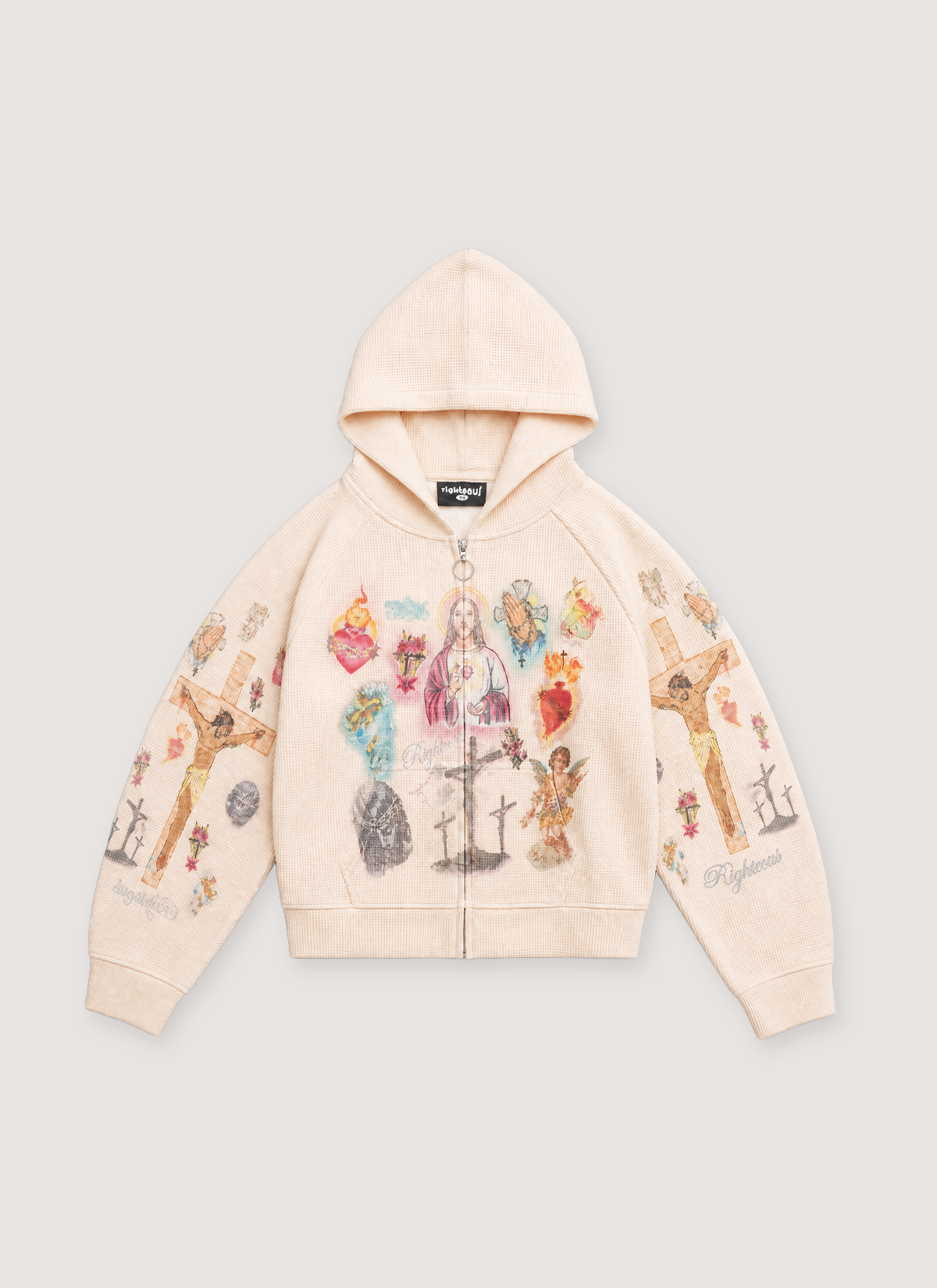
Take heavyweight fleece versus lightweight cotton jersey — they behave in different ways. Because fleece has less stretch, a size that fits tight in a cotton tee could feel restrictive in a heavyweight hoodie carrying a similar size label. That’s why the brand provides category-specific measurements rather than righteous joggers one blanket size chart for everything. Outerwear, tops, and bottoms each shift these dimensions in their own way.
Shrinkage deserves a mention too. If not handled properly, cotton-heavy fabrics can shrink slightly after the first few washes — typically in the range of 2-4% depending on fabric composition and wash temperature. The original fit is preserved longer when you wash in cold water and avoid high-heat drying. This is a small detail, but it matters when you’re trying to maintain the exact fit you selected at checkout.
How to Take Your Measurements Before You Order
Before sizing problems even begin, reaching for a pliable measuring tape and jotting down three essential measurements clears up the majority of sizing headaches. Chest, waist, and hip measurements form the backbone of any well-informed sizing call, and they take less than five minutes to capture. Stand naturally, don’t suck in your stomach, and keep the tape firm yet comfortable against the skin.
For chest measurement, wrap the tape around the widest point of your chest, generally right at nipple level, and keep it level and horizontal. You measure the waist at the narrowest point of your torso, usually an inch or two above the belly button. Hip measurement wraps around the widest part of your lower body, typically six to eight inches below the waistline.
Once you have these three numbers, compare them against the particular garment’s size chart rather than relying on memory of what size you wear elsewhere. Sizes are not standardized across the fashion industry, and even inside one label, cuts vary based on fabric and style. Nothing works better to reduce return rates and get a garment that fits as intended on the first try.
Making Sense of Fit Types: Relaxed, Regular, and Oversized
Terms describing fit are often applied loosely across the industry, so it helps to clarify what each term means within the We Are Righteous catalog. Regular fit follows the natural contour of the body with a modest ease through the chest and waist, producing a clean silhouette without feeling tight. A relaxed cut introduces extra room throughout, particularly through the body and sleeves, creating a more generous drape that still holds its shape.
The oversized fit—common throughout the righteous hoodie lineup—is purposely sized larger than typical proportions. Shoulder seams sit lower on the arm, sleeves are extended, and the body length extends past the hip. This is a deliberate style choice rather than a sizing error, so if you order an oversized hoodie hoping for a snug fit, you’ll likely be disappointed. Reviewing both the description and the size chart tells you which fit category you’re dealing with.
The same reasoning applies to bottoms. Joggers and sweats marked as relaxed will have a wider leg opening and looser seat, while slim-cut styles hug closer to the ankle. Matching your expectation to the actual fit type prevents the most common complaint we see in customer feedback and in any honest we are righteous review: garments that fit other than how the buyer expected because they didn’t check the fit description first.
Reviewing Size Ranges Throughout Product Categories
Given that top layers, hoodies, and bottoms are engineered in distinct ways, it helps to observe how sizing generally varies between product types side by side. The chart that follows summarizes overall size range behavior for the three primary garment categories in the existing collection, using conventional adult sizing from XS through XXL.
| Garment Type | Typical Fit | Chest/Waist Ease | How Length Falls |
|---|---|---|---|
| Tees | True-to-size | 2-3 inches of ease at chest | Standard hip-length hem |
| Hoodie styles | Oversized | 4-6 inches of room at chest | Drops 2-3 inches past hip level |
| Jogger pants | Relaxed | 1-2 inches of ease at the waistline | Full length with an elasticized cuff |
This comparison makes it easier to understand why a medium hoodie might feel roomier than a medium tee, even though both are marked the same size. Construction and the planned silhouette aren’t the same, and that difference is deliberate rather than inconsistent. When shopping across multiple categories in one order, it’s still worth reviewing each item’s own size chart, but this comparison offers a starting point before you look at individual measurements.
Frequent Fit Queries From We Are Righteous Customers
Something shoppers regularly ask about is whether to size up or size down for a shorter, cropped silhouette on hoodies. If you want the oversized silhouette to fall shorter on the body, going one size smaller usually achieves that without compromising shoulder and sleeve proportions too severely. Dropping two or more sizes, however, can warp the garment’s intended fall of the garment, so it’s something we’d advise against.
Something else customers often ask involves wearing pieces on top of one another. Shoppers layering a hoodie above a tee or long-sleeve base sometimes go a size larger to make room for the extra bulk. This performs nicely with relaxed and oversized cuts but can look excessive with standard-fit tops, since those are already fitted more snugly. If you intend to layer, factor that into your measurement comparison before ordering.
Return and exchange policies also come up frequently in customer questions, and while specific policy terms are outlined at checkout and in the FAQ section of the site, the general advice holds: when in doubt between two sizes, compare the item’s actual finished measurements to your own rather than falling back on your usual size. This single habit eliminates the majority of fit uncertainty before an order is even placed.
Last Fit Tips for 2026 Shoppers
Sizing shouldn’t be a barrier between you and a piece you actually want to wear. Taking five minutes to measure yourself, checking the fit type description, and cross-referencing the category-specific chart clears away most of the guesswork that results in returns. As the catalog grows and new silhouettes are introduced throughout 2026, these same guidelines hold true regardless of the specific garment.
It doesn’t matter if you’re building a full wardrobe centered on we are righteous brand pieces, or merely trying a single hoodie to evaluate fit and quality, the steps don’t change: take measurements, then match up with the chart, and think about the planned silhouette before you commit to a size. Reduced returns, more durable use, and clothes that actually get worn rather than staying folded up in a drawer — that’s what confidence in sizing brings.
Reliable sizing guidance transforms a one-time purchase into a returning-customer bond, and this is the goal behind offering detailed charts and sizing breakdowns rather than general general sizing. Check twice, place your order once, and the right fit follows.


 williams